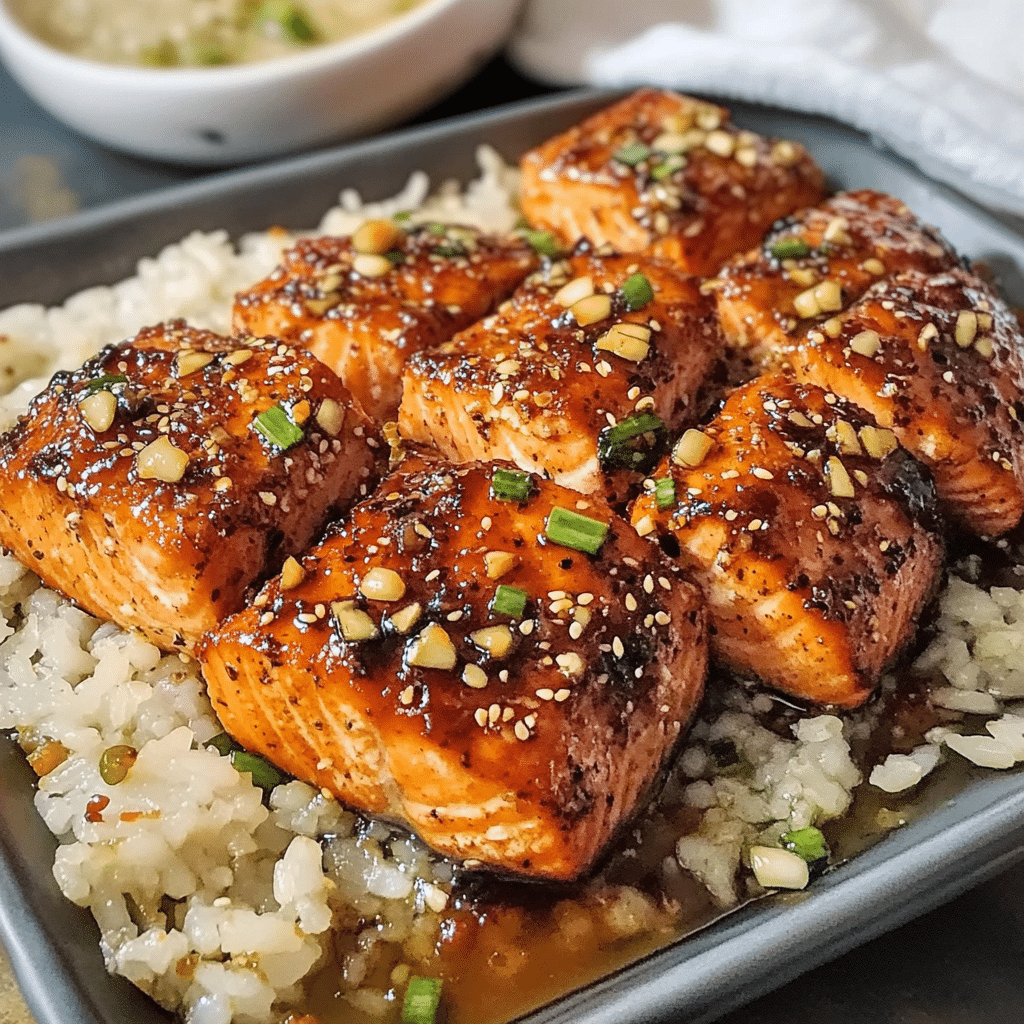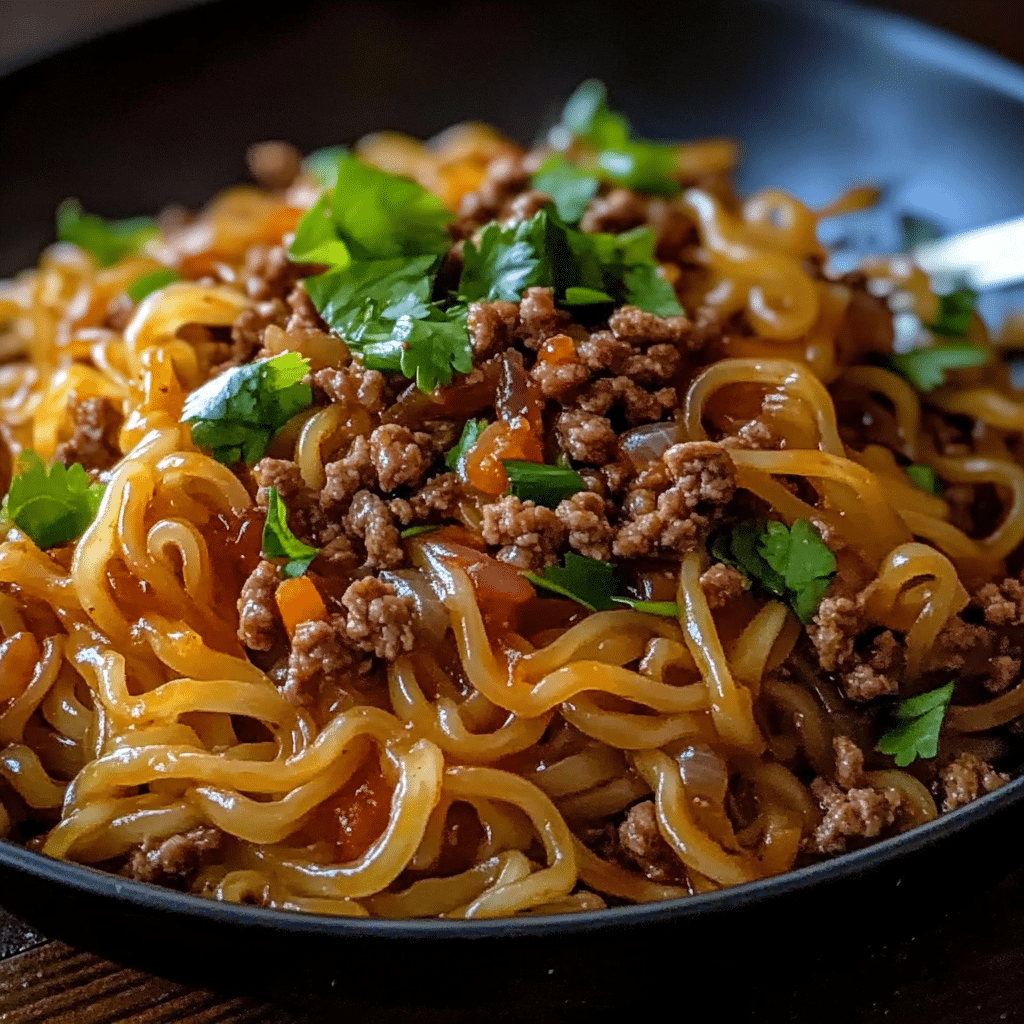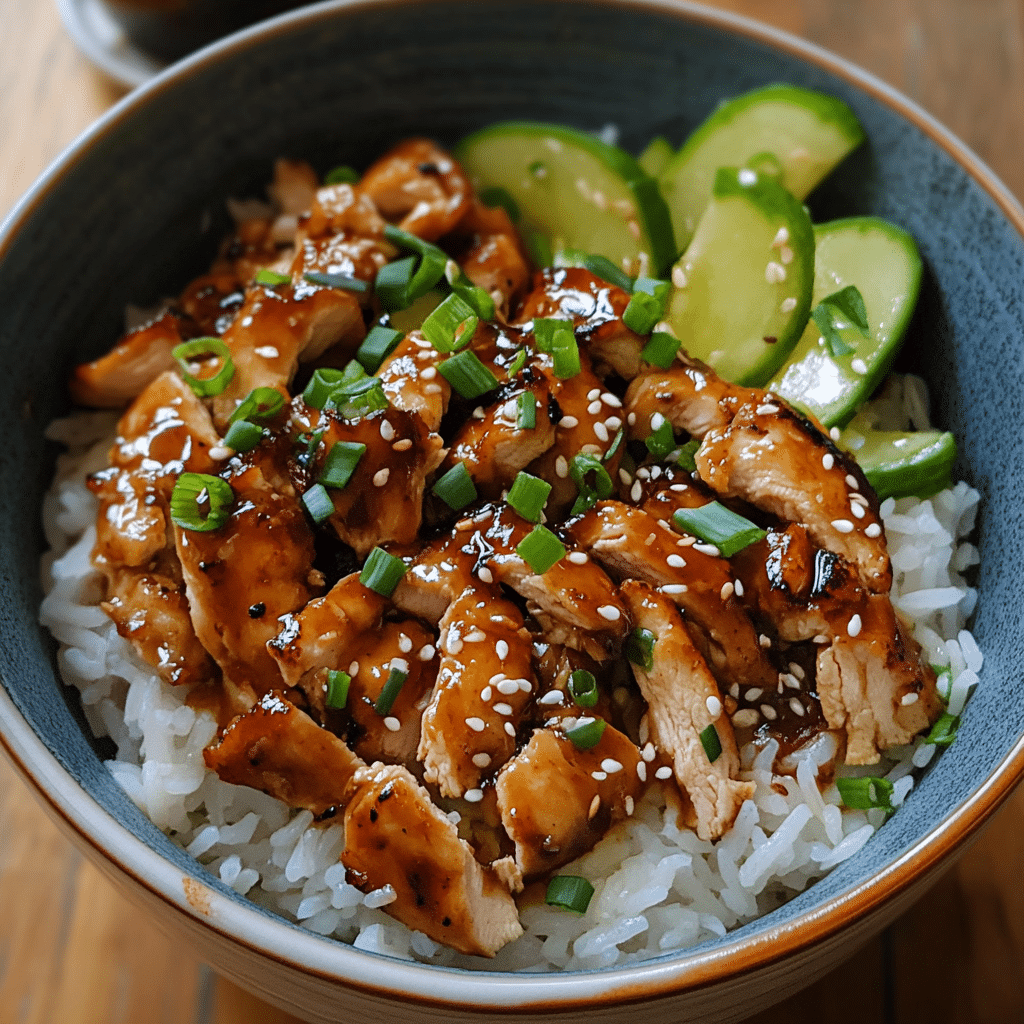

Korean Bibimbap is a vibrant, colorful dish that embodies a harmonious blend of flavors and textures. This incredible recipe presents a delightful medley of fresh vegetables, tender beef, and a perfectly fried egg all atop a bed of warm rice, drizzled with spicy gochujang sauce. The combination of ingredients not only creates a visually stunning meal but also offers a unique taste that is both nourishing and satisfying. When mixed together, each component sings in your mouth, making it a truly unforgettable dining experience.
If you’ve never tried Korean Bibimbap before, you’re in for a treat. The first bite will transport you to the bustling streets of Seoul, where this hearty meal is enjoyed by people from all walks of life. It’s not just a dish; it’s an expression of Korean culture, showcasing the nation’s love for fresh produce, flavorful spices, and communal dining. This amazing recipe can be customized according to your preferences, ensuring that everyone at the table finds something to love.
In this guide, you will learn everything you need to know about preparing and serving Korean Bibimbap, along with tips to make it an essential part of your culinary repertoire. With simple ingredients and a straightforward process, you’ll soon be able to whip up this incredible dish in no time. Let’s explore why Korean Bibimbap deserves a spot on your dinner table!
Why You’ll Love This Recipe
Korean Bibimbap is not just another meal; it is a celebration of food and flavors. Here are some reasons why this dish truly stands out:
1. Nutrient-Rich: Each bowl is packed with vitamins and minerals, thanks to the diverse vegetables.
2. Culinary Flexibility: You can easily adjust the ingredients based on personal preferences or dietary restrictions.
3. Quick to Prepare: Perfect for busy weeknights—prepare it in about 30 minutes!
4. Interactive Meal: Mixing flavors together at the table creates a fun and engaging dining experience.
5. Great for Leftovers: Any leftover ingredients can be transformed into a refreshing salad or fried rice.
6. Bold Flavors: The balance of spicy, savory, and umami flavors makes each bite unforgettable.
These factors contribute to making Korean Bibimbap a favorite dish for many dining occasions, be it a casual family dinner or a festive gathering with friends.
Preparation and Cooking Time
Getting started with Korean Bibimbap is a breeze. Here’s a breakdown of the time you’ll need:
– Preparation Time: 20 minutes
– Cooking Time: 15 minutes
– Total Time: 35 minutes
This efficient time frame makes it easy to savor the delightful experience of cooking and enjoying a fantastic meal.
Ingredients
– 2 cups cooked white or brown rice
– 1 cup bibb lettuce or spinach, shredded
– 1 medium carrot, julienned
– 1 small zucchini, julienned
– 1 cup bean sprouts
– 1 cup shiitake mushrooms, sliced
– ½ pound ground beef or tofu (for a vegetarian option)
– 2 eggs (fried or poached)
– 2 tablespoons soy sauce
– 1 tablespoon sesame oil
– 1 tablespoon gochujang (Korean red chili paste)
– 1 teaspoon sesame seeds
– Salt and pepper, to taste
– Green onions, chopped (optional, for garnish)
Step-by-Step Instructions
Creating Korean Bibimbap is straightforward. Follow these simple steps to craft your bowl of deliciousness:
1. Prepare the Rice: Cook the rice according to package instructions and set aside.
2. Sauté the Vegetables: In a skillet over medium heat, add a splash of oil. Sauté the mushrooms until tender, followed by the zucchini and carrot. Add bean sprouts last, cooking for another 2-3 minutes.
3. Cook the Meat: In the same skillet, add the ground beef or tofu. Season with soy sauce, salt, and pepper. Cook until the meat is browned or the tofu is warm and slightly golden.
4. Fry the Eggs: In a separate pan, fry the eggs sunny-side up until the whites are set but yolks remain runny.
5. Assemble the Bibimbap: In a bowl, layer the cooked rice at the bottom. Arrange sautéed vegetables and meat around the rice, creating a colorful display.
6. Add the Egg: Place the fried egg on top of the rice and vegetables.
7. Drizzle Sauce: Add a tablespoon of gochujang and drizzle with sesame oil.
8. Garnish: Sprinkle sesame seeds and chopped green onions on top for added flavor and crunch.
9. Mix & Serve: Serve warm and enjoy the vibrant mix of flavors. Encouraging guests to mix their bowl before eating enhances the experience!
These simple steps will have you serving up a delightful bowl of Korean Bibimbap that every guest will love.
How to Serve
To elevate your Korean Bibimbap experience, consider these serving tips:
1. Presentation: Use vibrant bowls to showcase the colorful ingredients. A well-presented dish is always more appetizing.
2. Accompaniments: Serve with kimchi on the side for an extra burst of flavor. A refreshing cucumber salad pairs nicely too.
3. Mixing Style: Encourage diners to mix their ingredients thoroughly to enjoy the full flavor profile.
4. Beverage Pairing: Offer traditional Korean drinks like sweet barley tea or rice wine to enhance the experience.
5. Adjust Spice Levels: Keep extra gochujang on hand for those who prefer a spicier bite or allow guests to adjust their portions based on taste.
Putting thought into your serving method will create a truly memorable and delicious meal that everyone will rave about. Enjoy the incredible journey of flavors as you dive into Korean Bibimbap!
Additional Tips
– Use Fresh Ingredients: For the best flavor in your Korean Bibimbap, make sure to use fresh vegetables and quality protein sources. This enhances both the taste and the nutritional value of your dish.
– Customize the Spiciness: Adjust the level of gochujang to cater to your preference. Adding more will give it an extra kick, while less will keep it mild.
– Serve Immediately: Bibimbap is best enjoyed fresh. Serve it right after assembling to ensure everything is warm and the flavors are vibrant.
– Experiment with Toppings: Try adding extras like avocado, radishes, or peanuts for a unique twist on your traditional Bibimbap.
Recipe Variation
Korean Bibimbap is incredibly versatile. Here are some variations that you might enjoy:
1. Vegetable-Only Bibimbap: Omit the meat entirely and load up on more vegetables like bell peppers, bok choy, or even roasted sweet potatoes for a vegetarian delight.
2. Seafood Bibimbap: Swap out the beef for seafood like shrimp or grilled fish. This adds a different flavor profile and richness to the dish.
3. Spicy Pork Bibimbap: Use marinated pork bulgogi for a spicier and more savory alternative that adds depth to your Bibimbap experience.
Freezing and Storage
– Storage: Store leftover Bibimbap components in airtight containers in the fridge. They should last for about 2-3 days.
– Freezing: You can freeze the cooked rice and sautéed vegetables separately for up to a month. However, it’s best to avoid freezing the fried egg, as it may alter in texture when reheated.
Special Equipment
While you can make Korean Bibimbap with basic kitchen tools, having the following equipment will enhance your cooking experience:
– Non-stick Skillet: Ideal for sautéing vegetables and frying eggs without them sticking.
– Rice Cooker: A rice cooker can simplify the process of cooking rice perfectly, ensuring it’s fluffy and warm for serving.
– Mixing Bowls: Use different-sized bowls to prepare individual components, especially for presentation.
– Prep Tools: Good knives for slicing vegetables and a cutting board for efficient preparation.
Frequently Asked Questions
Can I make Korean Bibimbap vegan?
Yes! Just replace meat with tofu or tempeh and use a plant-based gochujang sauce.
What side dishes pair well with Bibimbap?
Kimchi is a classic side that complements the flavors of Bibimbap well, and Korean pickled vegetables also work great.
Can I prepare Bibimbap in advance?
You can prepare the individual components in advance, but it’s best to assemble the dish right before serving to maintain freshness.
How do I make my Bibimbap less spicy?
Use less gochujang in your mix and add more sesame oil for flavor. Offer gochujang on the side for those who enjoy the heat.
What rice should I use for Bibimbap?
While short-grain rice is traditional, using brown rice or jasmine rice can also work well, depending on your preference.
Conclusion
Korean Bibimbap is not just a meal; it’s a culinary adventure brimming with flavors and textures. This uniquely customizable dish offers a delightful experience, perfect for impressing guests or enjoying a cozy family dinner. The vibrant ingredients and bold seasonings come together to create a wholesome, satisfying meal that reflects the essence of Korean cuisine. Whether you choose to follow the traditional recipe or make it your own, one thing is certain: Korean Bibimbap will quickly become a beloved staple in your kitchen.

Korean Bibimbap: An Amazing Ultimate Recipe You Must Try
- Total Time: 35 minutes
Ingredients
– 2 cups cooked white or brown rice
– 1 cup bibb lettuce or spinach, shredded
– 1 medium carrot, julienned
– 1 small zucchini, julienned
– 1 cup bean sprouts
– 1 cup shiitake mushrooms, sliced
– ½ pound ground beef or tofu (for a vegetarian option)
– 2 eggs (fried or poached)
– 2 tablespoons soy sauce
– 1 tablespoon sesame oil
– 1 tablespoon gochujang (Korean red chili paste)
– 1 teaspoon sesame seeds
– Salt and pepper, to taste
– Green onions, chopped (optional, for garnish)
Instructions
Creating Korean Bibimbap is straightforward. Follow these simple steps to craft your bowl of deliciousness:
1. Prepare the Rice: Cook the rice according to package instructions and set aside.
2. Sauté the Vegetables: In a skillet over medium heat, add a splash of oil. Sauté the mushrooms until tender, followed by the zucchini and carrot. Add bean sprouts last, cooking for another 2-3 minutes.
3. Cook the Meat: In the same skillet, add the ground beef or tofu. Season with soy sauce, salt, and pepper. Cook until the meat is browned or the tofu is warm and slightly golden.
4. Fry the Eggs: In a separate pan, fry the eggs sunny-side up until the whites are set but yolks remain runny.
5. Assemble the Bibimbap: In a bowl, layer the cooked rice at the bottom. Arrange sautéed vegetables and meat around the rice, creating a colorful display.
6. Add the Egg: Place the fried egg on top of the rice and vegetables.
7. Drizzle Sauce: Add a tablespoon of gochujang and drizzle with sesame oil.
8. Garnish: Sprinkle sesame seeds and chopped green onions on top for added flavor and crunch.
9. Mix & Serve: Serve warm and enjoy the vibrant mix of flavors. Encouraging guests to mix their bowl before eating enhances the experience!
These simple steps will have you serving up a delightful bowl of Korean Bibimbap that every guest will love.
- Prep Time: 15 minutes
- Cook Time: 20 minutes
Nutrition
- Serving Size: 4
- Calories: 500 kcal
- Fat: 15g
- Protein: 25g